What are hidden curriculum examples, and how do I explain them to my child?
The hidden curriculum is the set of unwritten social rules that everyone is expected to know but nobody teaches out loud, like knowing that “Can you shut the door?” means “Please shut the door.” “It’s getting late” often means “time to go home.” Explain the real meaning plainly, one saying at a time, and tell your child what to say or do next.
Why kids freeze here
Your child answers the words they heard, then can’t work out why the grown-up suddenly looks annoyed. Nobody told them the rule, so it can feel like everyone else got a memo they missed. A plain translation turns all that guessing into knowing.
What to say
Pick one saying a week and talk it through, so the meaning and the reply are both ready when it turns up.
- When someone says “hang on a tick”, they mean wait a short moment, so you can say “Sure, I’ll stay put.”
- When a friend says “I’m right, thanks”, they mean no thanks, so you can say “Okay, no problem.”
- When a grown-up says “keep it down”, they mean use a softer voice, so you can say “Sorry, I’ll be quieter.”
- When someone at a party says “help yourself”, they mean you can walk over and take some food without asking again, so you can go to the table and fill your plate.
From the book
“Can you shut the door?”
Means: It’s a polite way of asking you to do it. They already know you’re able to.
Say or do: Do it, then say “Done.” If you can’t, say “I can’t right now.”
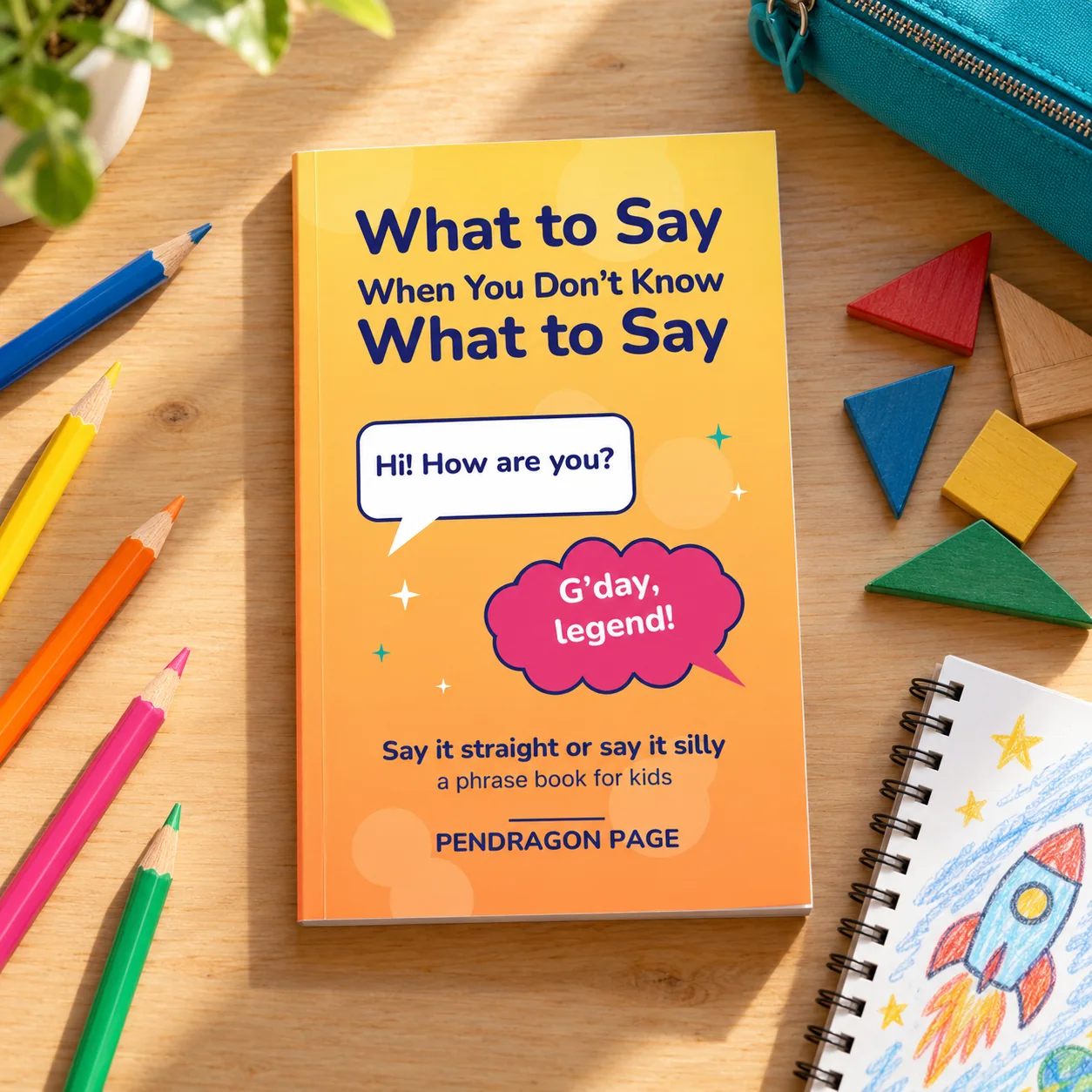
This is one of 41 sayings decoded in What to Say When You Don’t Know What to Say, from Chapter 11: What do they actually mean? Sayings decoded. Each one tells your child what it really means and what to say or do next.
Questions parents ask
What is the hidden curriculum?
It’s the social know-how adults rarely spell out: that a question can be a request, that a hint is really an instruction, and that tone changes what words mean. Many kids absorb it by watching. Others need it said plainly, and that’s fine. The term comes from classroom research in the late 1960s, and our reading list has three books on it.
Why does my child take sayings literally?
Some kids hear the words, not the hint. They answer the question exactly as it was asked, which is logical, not cheeky. A hint leans on tone, timing and habits nobody explains, so it’s easy to miss. Tell your child the real meaning in plain words, without a laugh at their expense. Once a saying has been decoded once or twice, many kids hold on to it.
How can I teach the hidden curriculum at home?
Translate sayings out loud as they come up, like “When Nan says it’s getting late, she means she’s ready to leave.” Keep a list on the fridge with three columns: the saying, what it means and what to do. Then swap roles and let your child decode one for you. A minute here and there teaches more than one long talk.
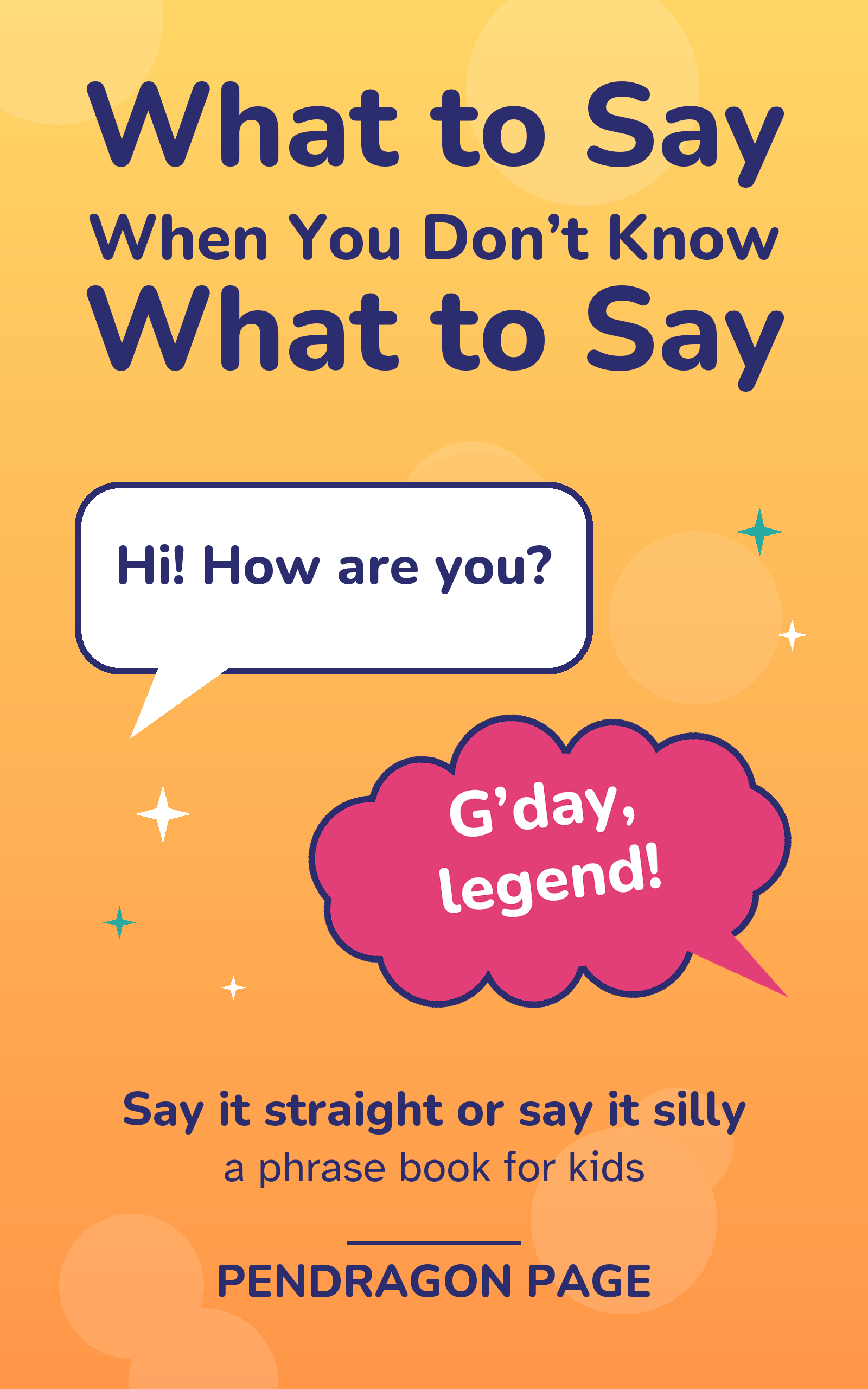
What to Say When You Don’t Know What to Say
268 moments, each with a straight line to try and most with a silly one too. For ages 7 to 10, written straight to your child.
- Classic paperback A$24.99 on Amazon
- Colour paperback A$34.99 on Lulu
- For eBook and more retailers click here
Related
Every child finds their own words in the end. Until then, they can borrow ours.
About this page: written by Pendragon.Page, publisher of What to Say When You Don’t Know What to Say (ISBN 978-1-7639611-1-1). The quoted lines are from Chapter 11. This page offers everyday phrasing, not clinical advice. The book isn’t a therapy or a cure. Last reviewed 25 Oct 2026.