How can my child say no, and ask for space, without a fight?
Give your child a short no they can repeat, like “No, I’ve made up my mind,” and teach them to keep using those exact words in a steady voice, however many times they’re asked. They don’t owe anyone a reason. If someone keeps pushing, touches them after they’ve said no, or says “don’t tell anyone”, they go straight to a grown-up they trust.
Why kids freeze here
Saying no to someone they like can feel like breaking something. Kids worry the friendship will crack or that they’ll look mean, and that worry swallows the word before it gets out. Knowing a no can be calm and kind at the same time makes it much easier to say.
What to say
Choose one together and practise it at home until it feels ordinary to say.
- “No, I’m going to pass on that one.”
- “I’ve already given you my answer, and it hasn’t changed.”
- “I’d like a bit of room right now. We can play again tomorrow.”
- “I’m off to the library for a bit. Come and find me later if you like.”
From the book
Someone keeps asking after you said no
Straight: “No, thanks.”
Silly: “Still no. I’m stuck on repeat, like a song.”
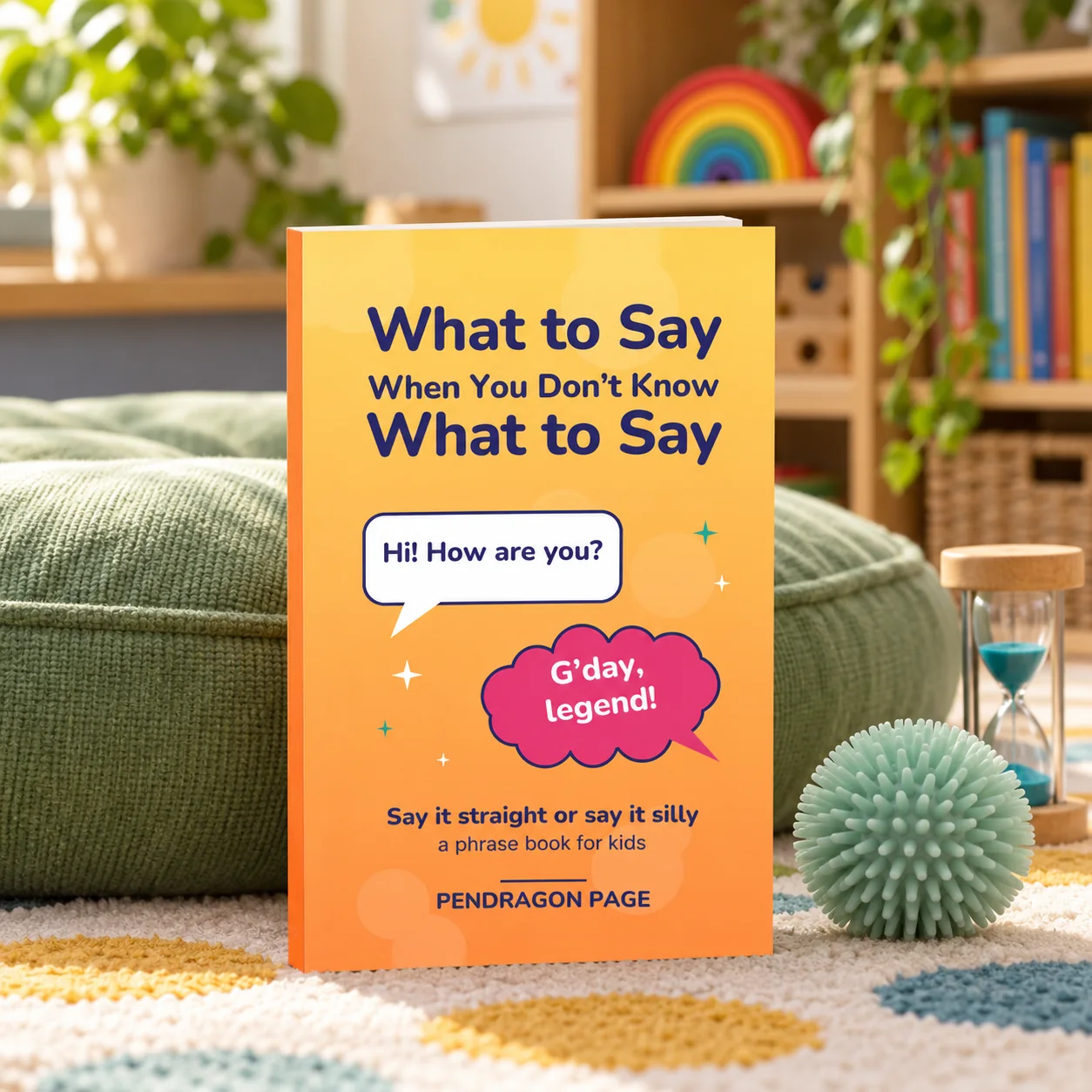
This is one of 268 moments in What to Say When You Don’t Know What to Say, from Chapter 8: Saying no and needing space. Your child picks the line that sounds like them.
Questions parents ask
Does my child have to hug relatives?
No. Your child gets to decide who touches them, and that includes family. Offer other ways to say hello, like a wave, a high five or a simple “not today, thanks”, and let relatives know ahead of time so nobody is caught off guard. Backing your child up in the moment shows them their no counts, which matters well beyond family gatherings.
What if a friend says they won’t be friends any more?
That line is pressure, not friendship, and your child can hold their ground. A calm reply like “I hope you come round, but I’m sticking with my no” keeps the door open without giving in. The threat often fades on its own within a day or two. If it keeps happening, or a group joins in, have a quiet word with the teacher.
What should my child do if someone says “don’t tell anyone”?
Tell a trusted grown-up anyway. Happy surprises, like a birthday present, are fine to keep quiet about for a little while. Anything that leaves your child feeling worried, scared or mixed up is exactly what to share, and they won’t be in trouble for it. Say this often, and name two or three adults they can go to, at home and at school.
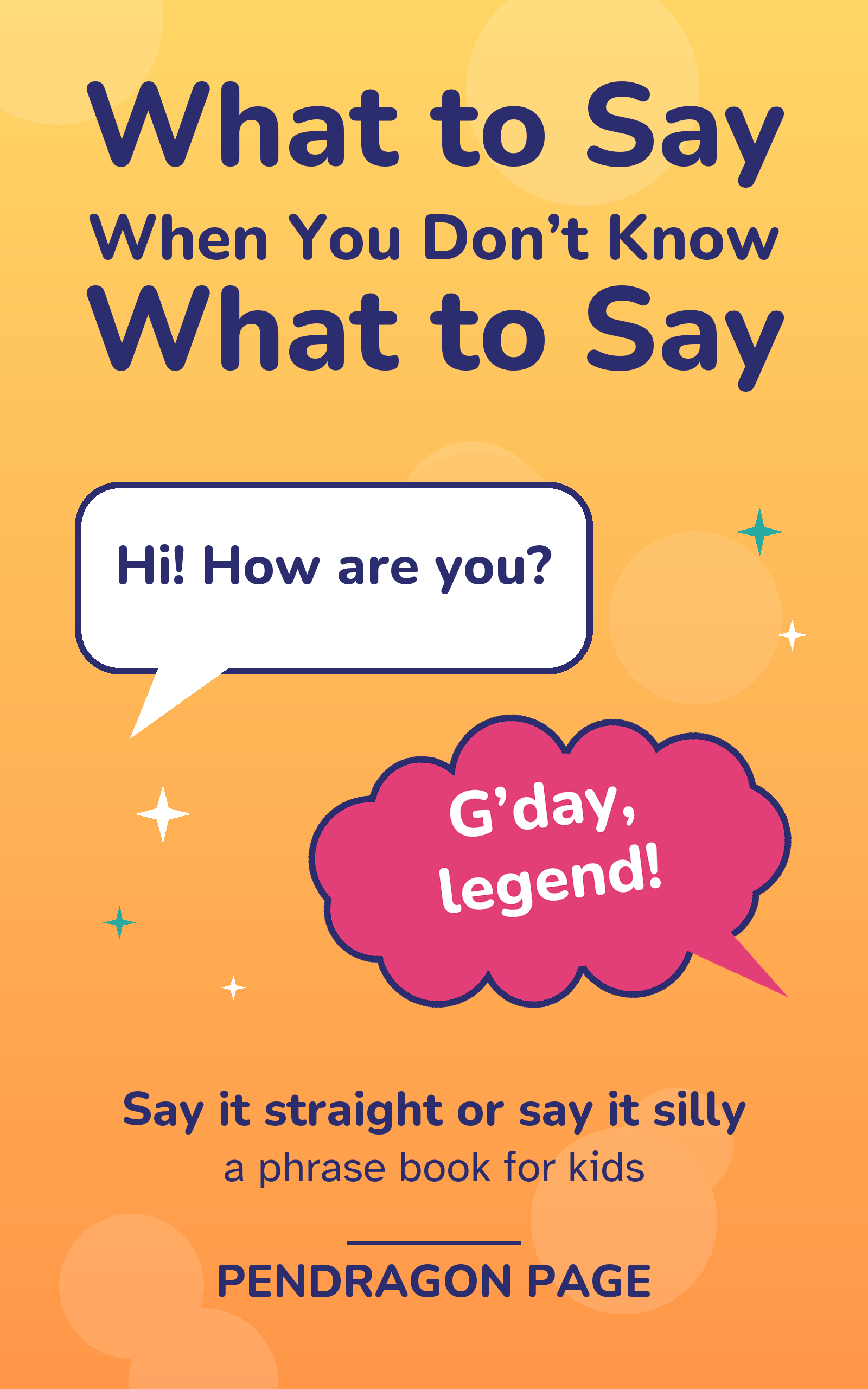
What to Say When You Don’t Know What to Say
268 moments, each with a straight line to try and most with a silly one too. For ages 7 to 10, written straight to your child.
- Classic paperback A$24.99 on Amazon
- Colour paperback A$34.99 on Lulu
- For eBook and more retailers click here
Related
Every child finds their own words in the end. Until then, they can borrow ours.
About this page: written by Pendragon.Page, publisher of What to Say When You Don’t Know What to Say (ISBN 978-1-7639611-1-1). The quoted lines are from Chapter 8. This page offers everyday phrasing, not clinical advice. The book isn’t a therapy or a cure. Last reviewed 25 Oct 2026.