What can my child say when they’re teased or called names?
Give your child one short, calm line they can say the same way every time, like “Don’t call me that,” and then walk away. A calm line usually works better than a clever comeback. If it keeps happening, your child tells a teacher, and you let the school know too.
Why kids freeze here
The sting lands first, and then the mind goes blank. The clever reply turns up later, in the car on the way home, when it’s no use to anyone. A line practised at home beforehand is already waiting when the sting hits, so it does most of the work.
What to say
Pick one with your child and practise it until it comes out without thinking.
- “That’s not okay. I’d like you to stop.”
- “Calling people names isn’t funny to me.”
- “I heard you, and I’m not joining in.”
- “I’m walking away now, and I’ll tell a teacher if it happens again.”
More help
- Bullying. No Way! - what to do about teasing and bullying, for kids and parents.
From the book
Someone calls you a name
Straight: “That’s not my name. Please use my real one.”
Silly: “I only answer to my real name. And to dinner.”
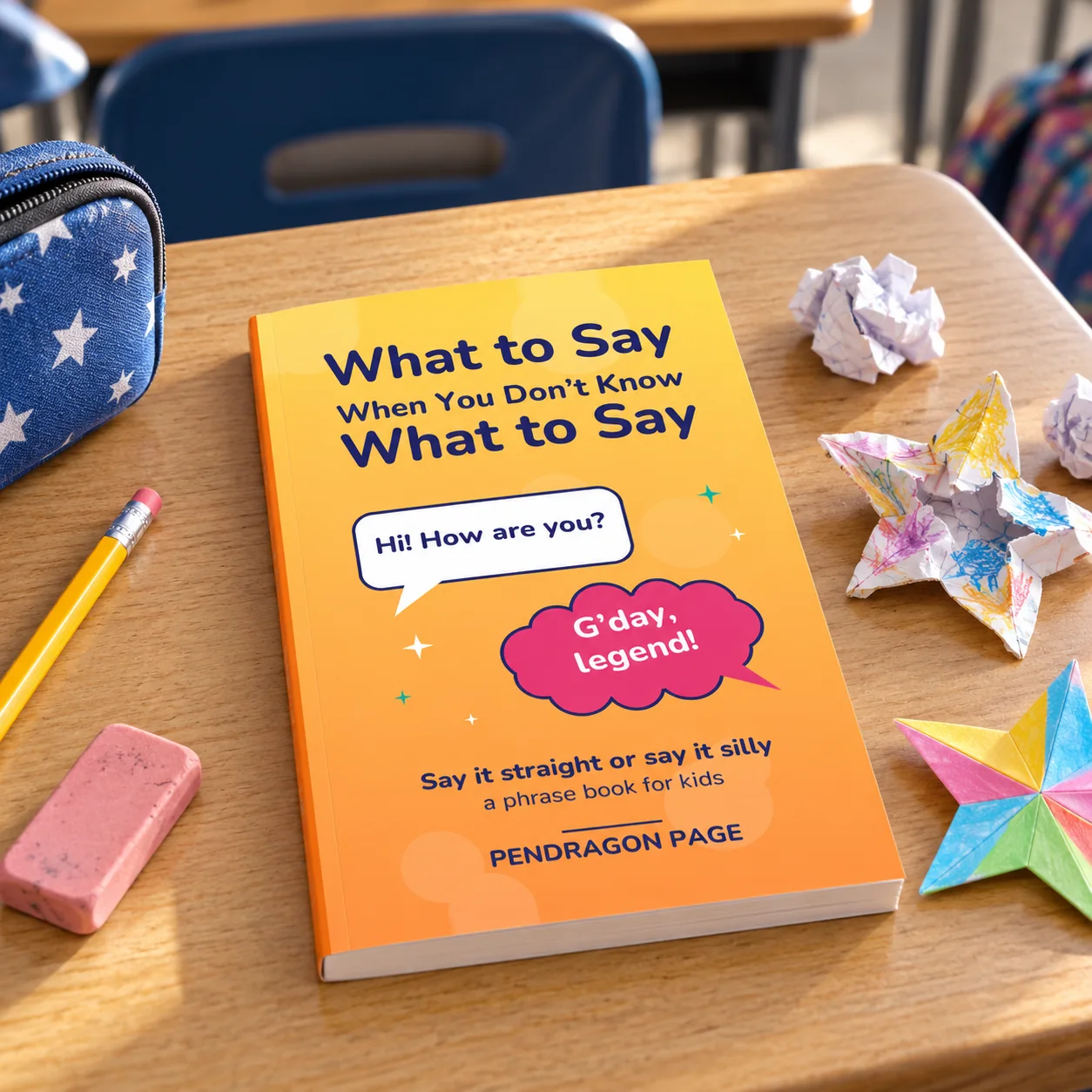
This is one of 268 moments in What to Say When You Don’t Know What to Say, from Chapter 6: When someone’s rude, teasing or mean. Your child picks the line that sounds like them.
Questions parents ask
Should my child ignore teasing or say something back?
Say something short, then walk away. Ignoring can work for a one-off, but some kids read silence as a green light to keep going. One calm sentence shows the name landed nowhere, and leaving straight after means there’s nothing left to push against. If your child can’t get the words out in the moment, walking away on its own still counts.
Are comebacks a good idea?
Usually not. A clever comeback invites the next round, and the child doing the teasing often has more practice at this than yours does. A calm line ends the exchange instead of stretching it out. Silly lines have their place when the mood is light and the other kid is a friend, but when a name is meant to hurt, plain and calm is the safer pick.
When should my child tell a teacher?
As soon as it happens again after they’ve asked for it to stop, if a group joins in, or any time they feel unsafe. Getting a teacher when someone is being hurt is the right call, and it helps to say that out loud at home. You can back your child up by letting the school know what’s been going on, with dates if you have them.
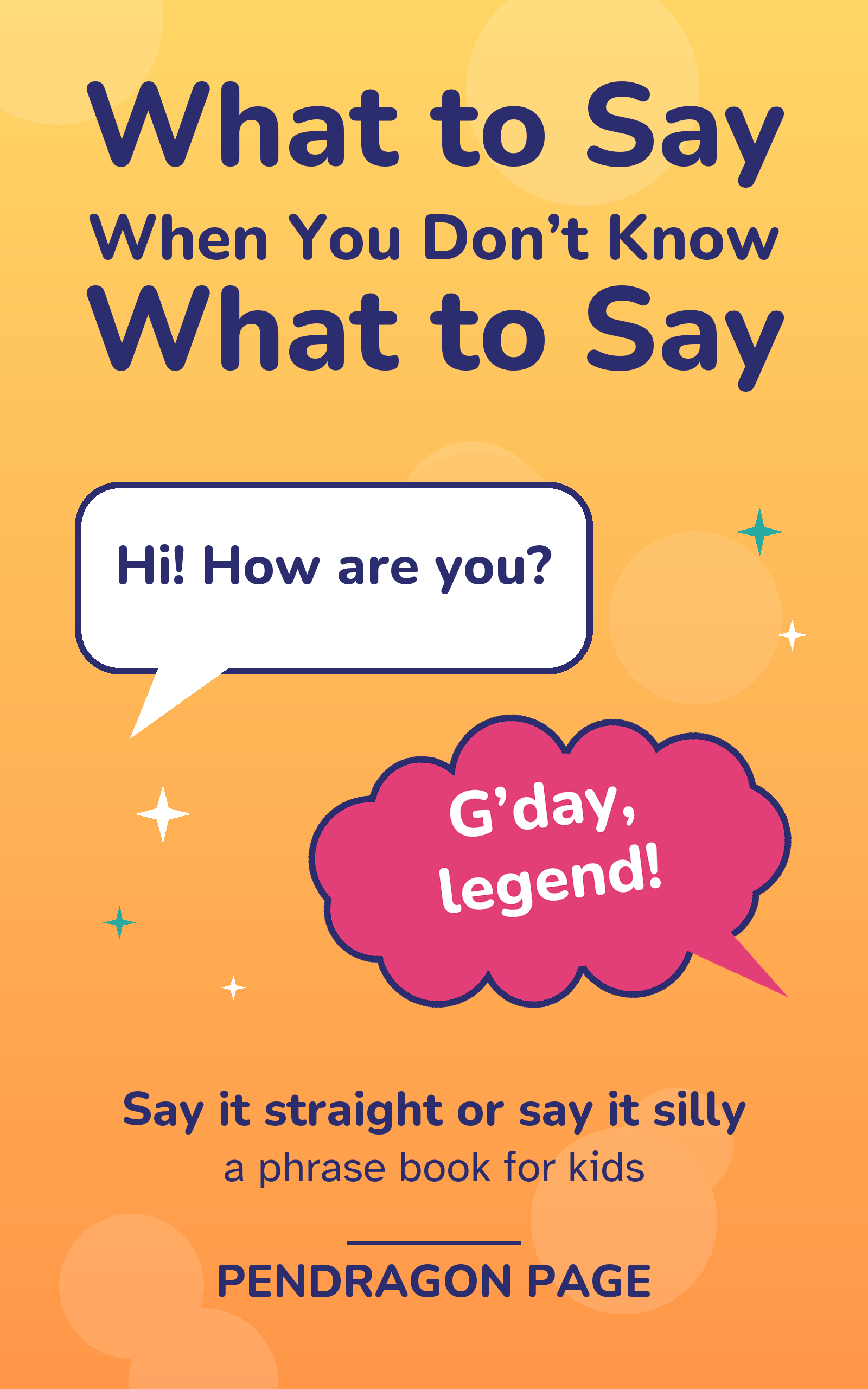
What to Say When You Don’t Know What to Say
268 moments, each with a straight line to try and most with a silly one too. For ages 7 to 10, written straight to your child.
- Classic paperback A$24.99 on Amazon
- Colour paperback A$34.99 on Lulu
- For eBook and more retailers click here
Related
Every child finds their own words in the end. Until then, they can borrow ours.
About this page: written by Pendragon.Page, publisher of What to Say When You Don’t Know What to Say (ISBN 978-1-7639611-1-1). The quoted lines are from Chapter 6. This page offers everyday phrasing, not clinical advice. The book isn’t a therapy or a cure. Last reviewed 25 Oct 2026.