My child doesn’t know how to join in. What can they say?
Teach your child one short question, such as “Can I have a go after this one?”, and to ask it when there’s a natural break in the game. If the answer is no, they say “Okay, next time then” and find another game or try again after a while. One no isn’t the end of it.
Why kids freeze here
Walking up to a game that’s already moving feels like trying to hop onto a spinning roundabout. Your child is working out the rules, who’s in charge and when to speak, all while worrying the answer will be no in front of everyone. One rehearsed question takes most of that load off.
What to say
Choose one together and say it out loud a few times at home, so it’s ready when it’s needed.
- “Hi, can I have a turn after this one?”
- “I like this game. Who’s winning so far?”
- “Do you need someone on the other side?”
- “I’ll stand over here and jump in when you’re ready for me.”
More help
- Raising Children Network - school age - friendships, play and social skills for kids aged 6 to 11.
From the book
You want to join a game that’s already going
Straight: “Can I play too?”
Silly: “Got room for one more? I brought my own shoes.”
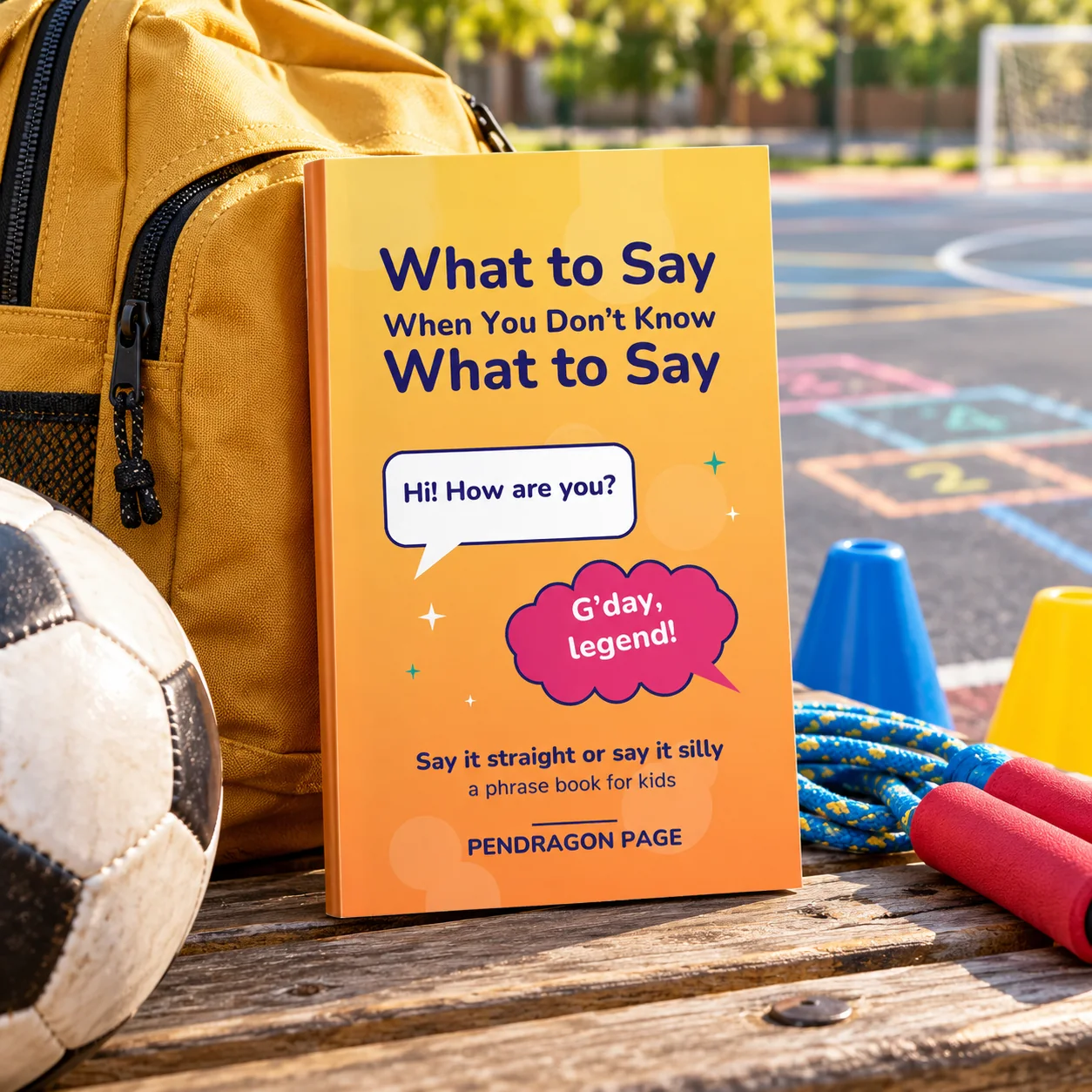
This is one of 268 moments in What to Say When You Don’t Know What to Say, from Chapter 2: Joining in. Your child picks the line that sounds like them.
Questions parents ask
What if they say no?
Help your child take it lightly and move on. A friendly “That’s fine, thanks anyway” and a stroll to another group shows the no didn’t knock them over. Kids say no for all sorts of reasons, like an odd number of players or a game that’s nearly done, and most have nothing to do with your child. Trying the same group again another lunchtime is completely okay.
Should my child wait for the round to finish?
Yes, if they can. Asking in the middle of a point or a chase usually gets a rushed no, because everyone’s busy. A natural pause, like a goal, a reset or someone getting out, is the easiest moment to be heard. Standing nearby and watching in the meantime helps too, because by the time the break comes, your child has picked up how the game runs.
What if my child doesn’t know the rules?
Saying so is fine, and most kids enjoy explaining their game. Your child can ask for the one-minute version, then follow the others’ lead for the first little while. Mistakes in a first game are expected, and laughing them off goes a long way. If it helps, try a couple of common playground games at home so the basics feel familiar before they get there.
What to Say When You Don’t Know What to Say
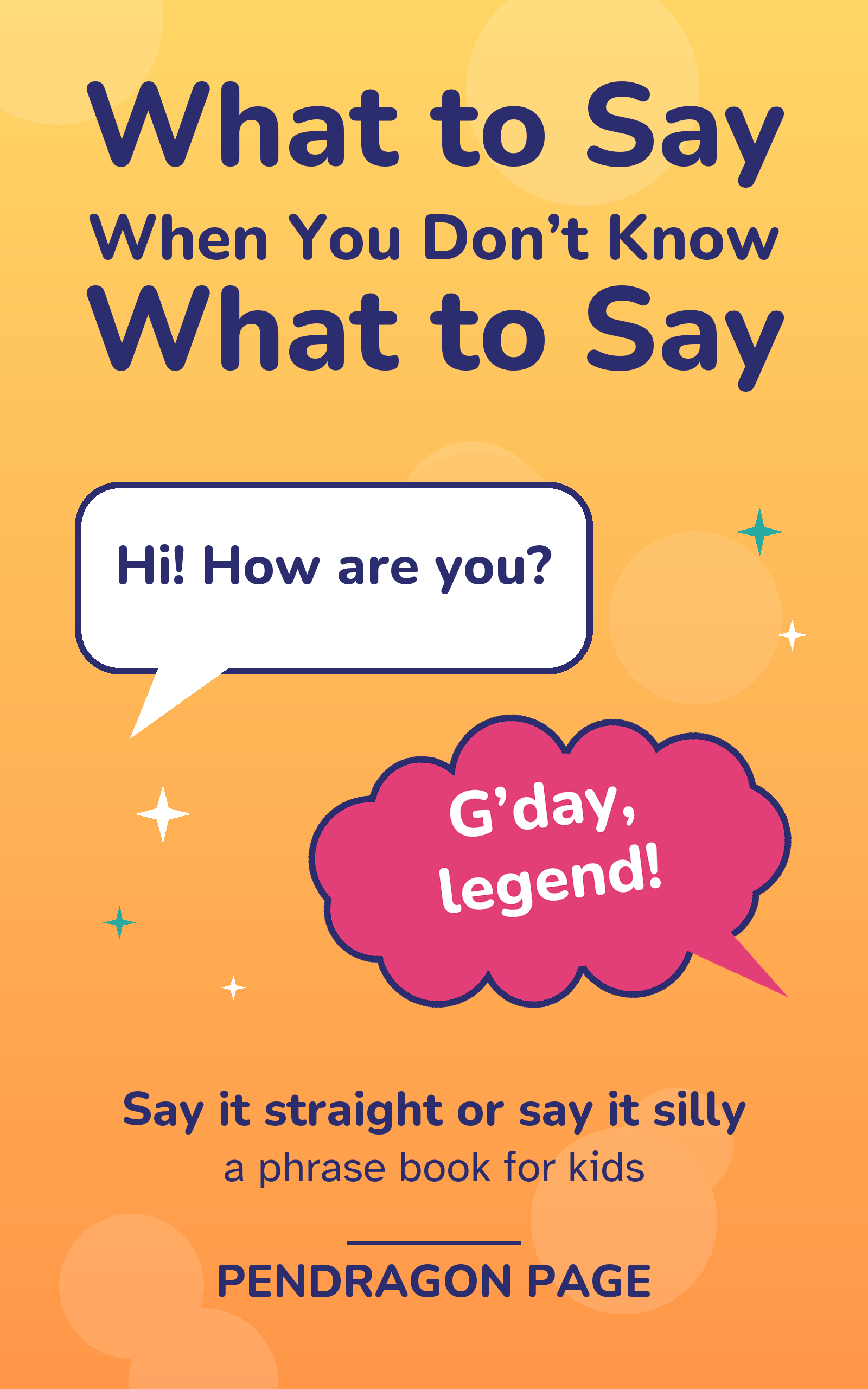
268 moments, each with a straight line to try and most with a silly one too. For ages 7 to 10, written straight to your child.
- Classic paperback A$24.99 on Amazon
- Colour paperback A$34.99 on Lulu
- For eBook and more retailers click here
Related
Every child finds their own words in the end. Until then, they can borrow ours.
About this page: written by Pendragon.Page, publisher of What to Say When You Don’t Know What to Say (ISBN 978-1-7639611-1-1). The quoted lines are from Chapter 2. This page offers everyday phrasing, not clinical advice. The book isn’t a therapy or a cure. Last reviewed 25 Oct 2026.